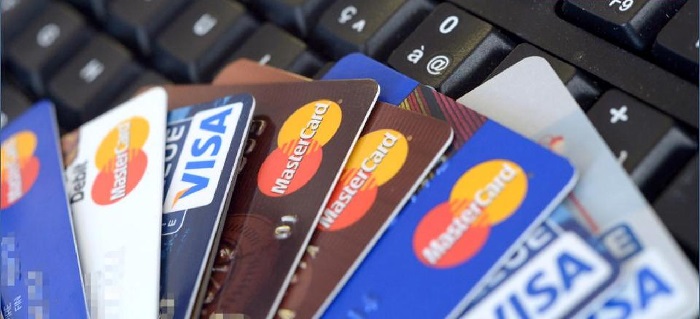
 Det blir stadig flere fordeler med å ha et kredittkort, og vi har nesten nå kommet til et punkt der det er vanskelig å skille ut de største fordelene – rett og slett fordi det er såpass mange! For ikke så veldig mange år siden så var et kredittkort et simpelt plastkort som ga deg tilgang til lånte penger, men når vi nå har kommet så langt som til 2015 så er kredittkortene fullstappet med rabatter, bonuser og fordeler. Deriblant kan du spare penger når du handler, reise på ferie og være forsikret helt gratis, eller spare flere hundrelapper hver eneste måned når du fyller bensin!
Det er vanskelig å finne et kredittkort som inneholder alle fordelene i ett og samme kort. For eksempel finnes det ikke noe kredittkort som har både lav rente, høy kredittgrense, cashback og reiseforsikring inkludert. Dersom man vil dra nytte av alle de fordelene som finnes i denne bransjen, så blir man faktisk nødt til å skaffe seg flere kredittkort. Og det er slettes ingen dum idé – for da får man tilgang til de beste fordelene fra flere verdener!
Reiseforsikring, bonuser og rabatter
En av de aller største fordelene med et kredittkort for den vanlige mannen i gata, er at man får en gratis reiseforsikring inkludert i svært mange kredittkort. Denne aktiveres automatisk når man betaler minst halvparten av transportkostnadene til en reise med kortet, og kan spare deg for mye penger sammenlignet med hva en slik forsikring koster deg i banken. Videre så har kredittkortet flere fordeler på reisen, deriblant at du er bedre rustet mot svindel, samtidig som enkelte kredittkort ikke har gebyrer på uttak i utenlandske minibanker og lignende.
For hverdagslig bruk så kan mange kredittkort friste med bonuser og cashback, der du rett og slett sparer penger på å bruke kredittkortet når du handler. De beste kredittkortene gir deg en bonus fra 1 til 3 prosent på alt du kjøper, uansett hva det er og hvor det er i verden. Derfor velger stadig flere å konsekvent bruke kredittkortet når de handler i norske butikker. Du kan også med mange kredittkort få rabatter på alt fra leiebil til overnatting og hotell, gjennom ulike fordelsprogrammer hos de ulike bankene i landet.
Spar penger på drivstoff
 En stor fordel med mange kredittkort, eller såkalte bensinkort, er at du kan spare penger på drivstoff. Disse kortene gir deg dedikerte bonuser på bensin og diesel, og ofte kan du spare opp mot 4 prosent uansett hvilken kjede du velger å fylle hos. Dersom du gjør dette over en periode på fem år, så kan du ha spart opp ganske mange titusener som virkelig kan komme godt med i hverdagen. Faktisk er fordelen med slike kort såpass stor at vi anbefaler samtlige nordmenn å skaffe seg et bensinkort, som de har liggende i bilen og kun bruker til å fylle tanken.
Rentefri betalingsutsettelse og gratis i bruk
En annen stor fordel med et kredittkort er at det ikke koster deg noe å bruke det, og heller ikke noe å eie det. De færreste kredittkortene på det norske markedet har årsgebyr, og så godt som ingen har bruksgebyrer (gjelder innenlands). Rentene begynner heller ikke å løpe før etter halvannen måneds tid, og opp mot 52 dager på de beste kredittkortene. Med andre ord kan du utsette betalingen både langt og lenge, uten at du betaler en krone ekstra for det. Slike fordeler gjør at man kan bruke et kredittkort med god samvittighet, selv om mange forbinder disse kortene med en snarvei til økonomisk trøbbel.
Som du skjønner, så er det svært mange fordeler med et kredittkort. Og ulempene, da? Faktisk vil vi strekke oss så langt at vi sier at det ikke er noen ulemper med kredittkort – forutsatt at man bruker det på riktig vis og betaler regningene sine før rentene begynner å løpe.